03

BeforeBed

Project Overview

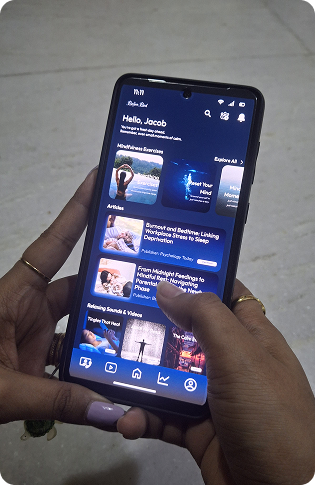
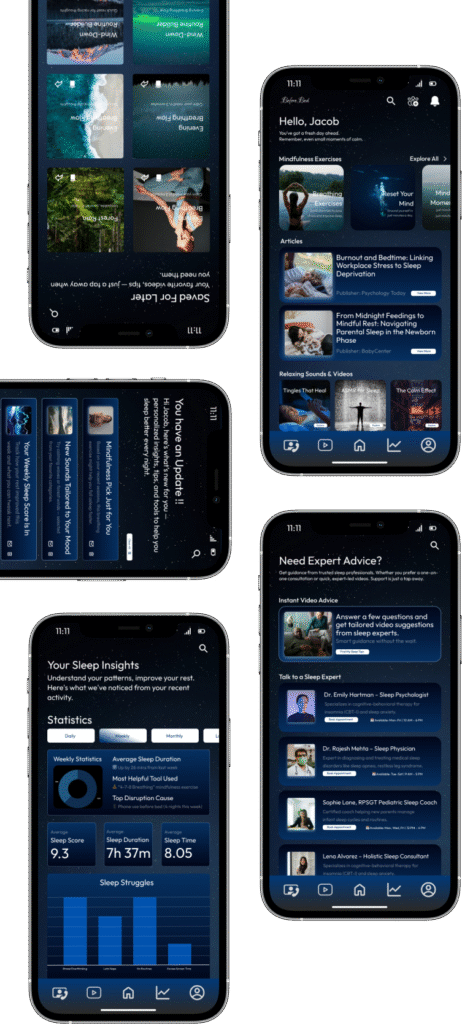
The Integrated Sleep Wellness System is a digital platform that promotes healthy sleep by combining sleep tracking, mindfulness training, educational content, and access to sleep health professionals. It provides a holistic approach to improving sleep quality, reducing stress, and supporting overall well-being.

Problem Definition

Many individuals experience poor sleep due to stress, lack of awareness, and inconsistent routines. Existing solutions focus on isolated aspects like tracking or meditation but fail to offer a complete, connected approach. This project aims to solve this by providing an integrated system that unites sleep monitoring, mindfulness, and professional guidance in one platform.

Proposed Solution

The project proposes a connected sleep wellness system that offers personalized insights, guided mindfulness sessions, and professional consultation in one platform. By merging technology and psychology, it empowers users to monitor, manage, and improve their sleep effectively.
Methodology

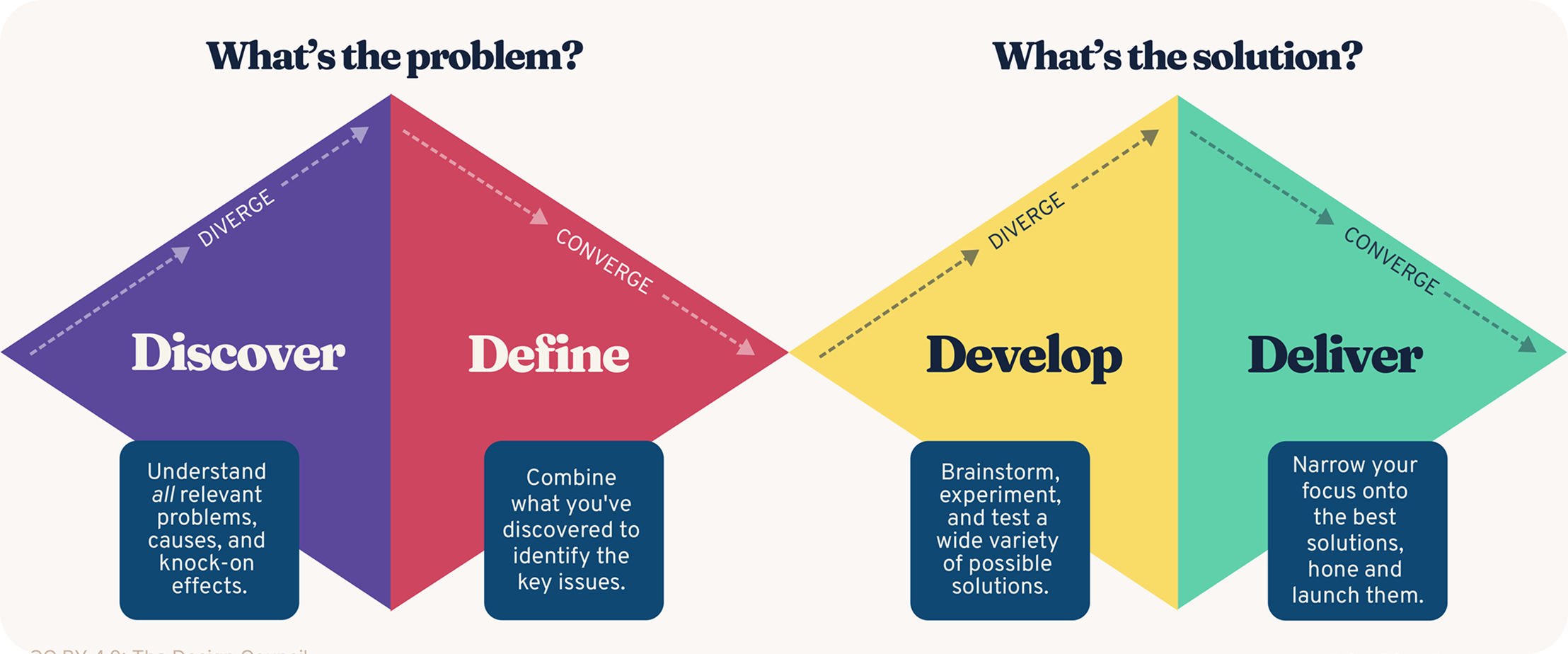
Double Diamond design process was chosen for its structured approach to research, ideation, prototyping, and evaluation, ensuring user-centered design decisions. The model helped identify real user needs, generate effective concepts, and refine the final solution through testing and feedback.

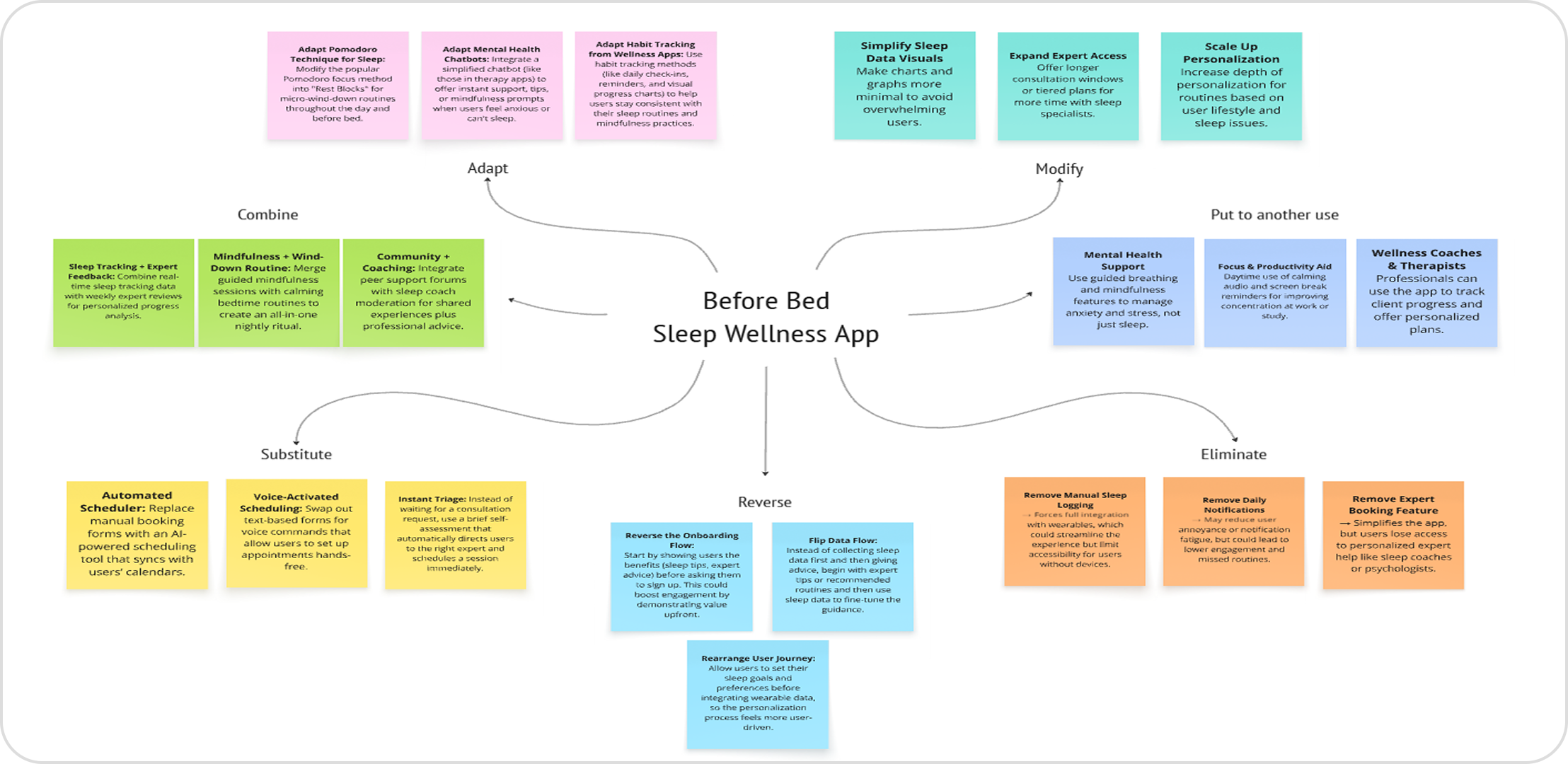
Scramper Method

Double Diamond design process was chosen for its structured approach to research, ideation, prototyping, and evaluation, ensuring user-centered design decisions. The model helped identify real user needs, generate effective concepts, and refine the final solution through testing and feedback.

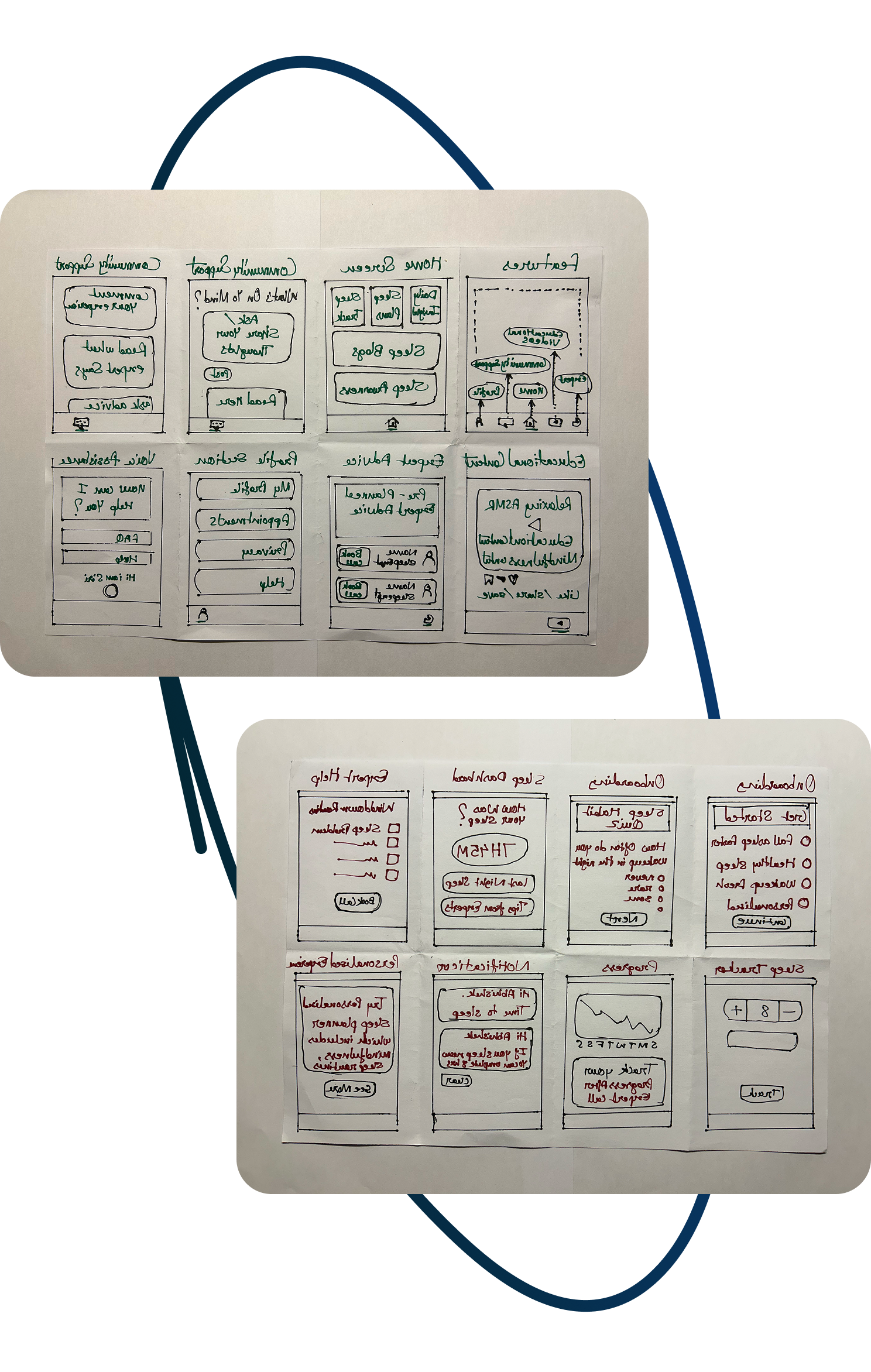
Crazy 8’s

The Crazy 8 technique was used during the ideation phase to rapidly generate a variety of design ideas. In this method, eight different concepts are sketched within eight minutes, encouraging creativity and quick thinking. It helped explore multiple solutions for improving user experience before selecting the most effective design direction.

User Reviews Analysis

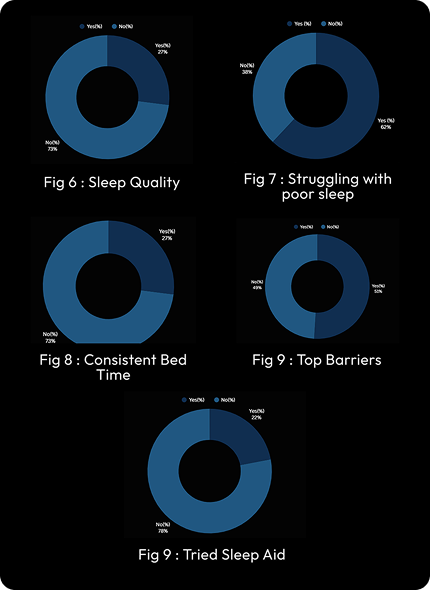
A pre-interview survey of 37 UK adults examined sleep behaviors, routines, and barriers. Results showed that 27% rated their sleep quality as poor, and 62% experienced poor sleep at least three nights per week. Only 27% had a consistent bedtime routine, while top barriers included racing thoughts (49%) and screen use (51%). Just 22% had tried sleep aids. These insights guided our design focus on integrated tracking, personalized bedtime routines, and easy access to expert support.

Prototyping Testing

We conducted remote moderated testing with eight users representing our three personas. Participants completed key tasks (e.g., setting a wind-down reminder, scheduling a sleep coach session) while sharing their thoughts aloud. We measured task success, time on task, and noted UI confusion points such as unclear icons. Post-session surveys captured overall usability feedback and user satisfaction.

Prototyping Testing

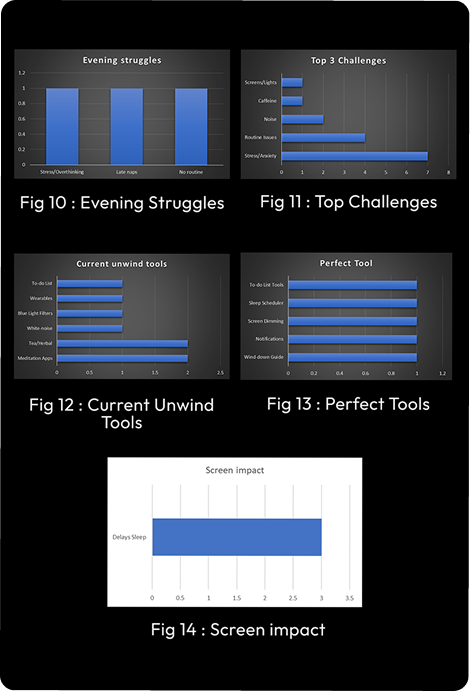
From nine user interviews, five key themes emerged. Most participants struggled to relax at night due to stress, racing thoughts, and irregular routines. The main challenges identified were stress and anxiety (9/9), inconsistent bedtimes (4), and noise disruptions (2). Common unwinding tools included meditation apps, herbal teas, and occasionally white-noise machines or blue-light filters. Screen use before bed delayed sleep for some, and users expressed interest in features like guided wind-down routines, smart scheduling, dimming screens, and to-do list integration.

Scroll to Top